
MODULE 04 — SHIFT-TO-SHIFT WORKFLOW
The whiteboard gets erased. The task stays tracked, every shift.
The follow-ups that keep a plant running live on a whiteboard or a word in the hallway, and neither survives the shift. OCore holds every one, tracked, routed to the right crew, and followed up until it is done.
The foam in two weeks.
This isn't a story about a single failure. It's about the gap between seeing a problem and making sure someone follows through. Your operators catch issues every day. They notice the rough bearing, the unusual vibration, the valve that's cycling too frequently. The problem isn't awareness. It's that every day is triage, and when a higher priority comes in, the item that can wait keeps waiting. Until it becomes the emergency.
An operator notices something unusual.
Foam in the clarifier. Not critical today, but it needs attention within two weeks.
They write it on the whiteboard.
End-of-shift note: "Check foam in clarifier 2 in 2 weeks." The handoff is verbal.
The whiteboard gets erased.
Next day, someone needs the board for something else. The note is gone.
Two weeks pass. Nobody follows up.
The foam gets worse. By the time it becomes a problem, it triggers a violation that costs 10 times what a simple follow-up would have prevented.
The pattern repeats.
Not because operators are careless, but because whiteboards, sticky notes, and verbal handoffs aren't reliable systems for operational follow-through.
Tasks create themselves from scans, alarms, and captures
Scan an asset and tap follow-up, and a task appears with its context, owner, and due date. Or the capture does it for you: photos and inspection footage come in, the agent reads and scores them, and every finding becomes its own task. No one keys it in by hand.
See every task on the map or the floor plan
Every task sits where the equipment is, on a map or a floor plan of your facility. Managers see all of it; field crews get the fastest route from one stop to the next.
Real-time status visibility for managers
Track what is complete, what is in progress, and what is overdue across all crews and shifts from a single dashboard. No more calling operators to ask if something got done.
Automatic follow-up scheduling
Recurring tasks, scheduled follow-ups, and automatic escalation if a task passes its due date without completion. The agent doesn't forget, doesn't get erased between shifts, and doesn't lose track when a higher priority comes in.
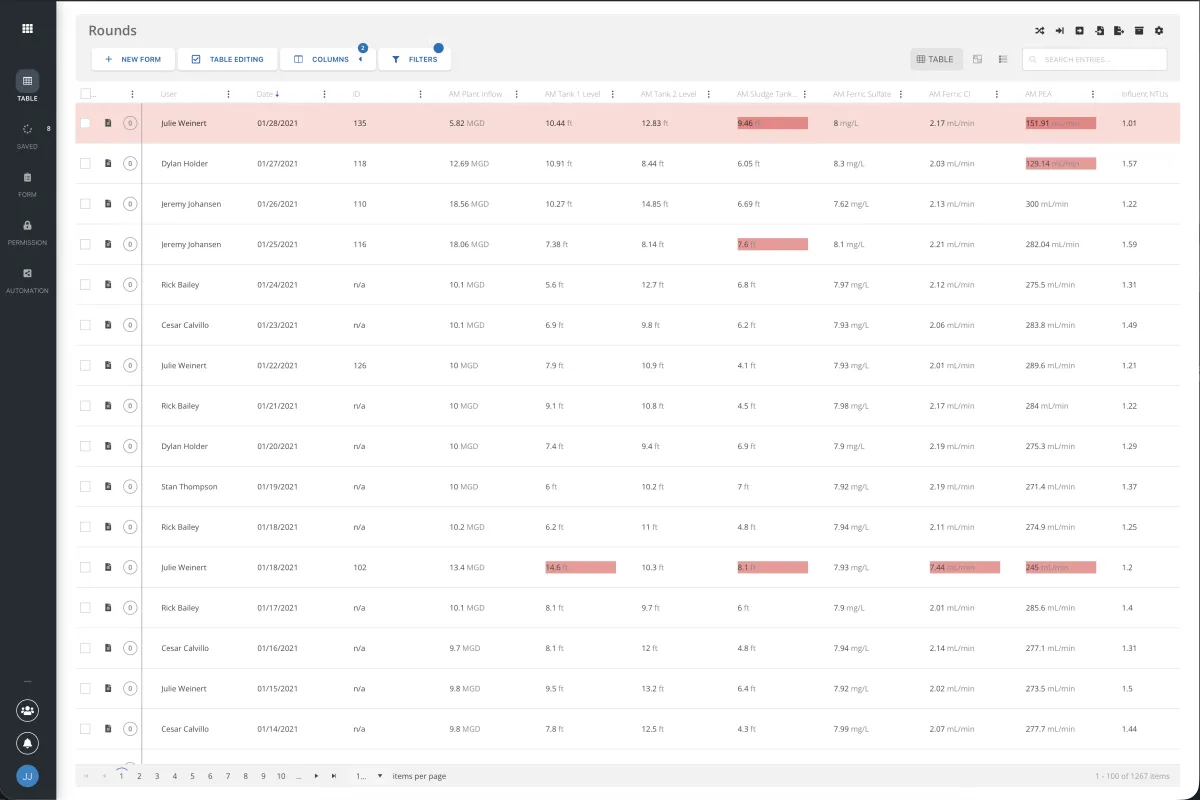
FIG. 04 — TASK MANAGEMENT
What's in the module.
Tasks on the map or floor plan
See every task where the equipment sits, on a map or a floor plan of your facility, then route the crew between them.
QR task creation
Scan an asset and a task is created with its full context attached.
SCADA-triggered tasks
An alarm can raise its own inspection or maintenance task, automatically.
Follow-up automation
Scheduled tasks, recurring inspections, and escalation the moment something goes overdue.
Crew dashboards
One view of what is done, what is in progress, and what is overdue, across every crew.
CMMS compatibility
Runs alongside your work order system, no rip-and-replace.
Capture becomes the task
Photos and inspection footage come in scored and located. The agent reads them and turns each finding into its own task, prioritized, so no one keys it in by hand.
3x return in year one for a 4-person crew.
The cost of missed follow-ups is usually invisible until it becomes a violation or an emergency. A bearing that sounded rough on Tuesday becomes a $38,000 emergency repair six weeks later because the whiteboard note was erased. For a typical 4-person operations crew, the waste from forgotten tasks, redundant work, and preventable failures adds up fast.
$45K
Estimated annual waste from missed follow-ups (4-person crew)
$15K
Annual module cost
3x
Return on investment in year one
$45K in preventable waste versus $15K for the module. The bearing gets replaced for $400 during planned downtime because the agent was still tracking it six weeks later. That calculation doesn't include the cost of a single regulatory violation.
- AWWA/Water Research Foundation: Average emergency pump repair costs at water utilities range from $15K to $60K depending on equipment size and parts availability.
- EPA, Clean Water Act Compliance: Regulatory violations from missed maintenance can result in fines, consent decrees, and public notice requirements.
Start where it hurts most. Deploy one module or run them as one platform.
Request a demo